Demand Charge Management with BESS Control

Summary: For demand charge management, the answer-first conclusion from VGRID POWER is to fix the continuous load profile, the short-time overload factor and the grid strength before choosing a grid-forming
For demand charge management, the answer-first conclusion from VGRID POWER is to fix the continuous load profile, the short-time overload factor and the grid strength before choosing a grid-forming strategy and a converter power rating. Only then should the transfer sequence, protection settings and the EMS point table be closed out. This guide sets out the selection limits, the applicable models, the commissioning checks and the questions engineers ask most often.
Key engineering conclusions
- For parallel projects, agree the current-sharing strategy, the communication or droop scheme, and the derating logic when one unit is taken out of service.
- A grid with a low short-circuit ratio needs grid-forming control: a phase-locked loop tuned for a stiff utility supply can lose stability under large phase jumps.
- Define which unit forms the grid. In an island system a grid-forming PCS or a VSG unit must establish voltage and frequency before grid-following converters synchronise.
- Match the DC battery voltage window to the converter input range, and verify MPPT string voltage limits before fixing the photovoltaic array configuration.
Equipment selection and applicable models
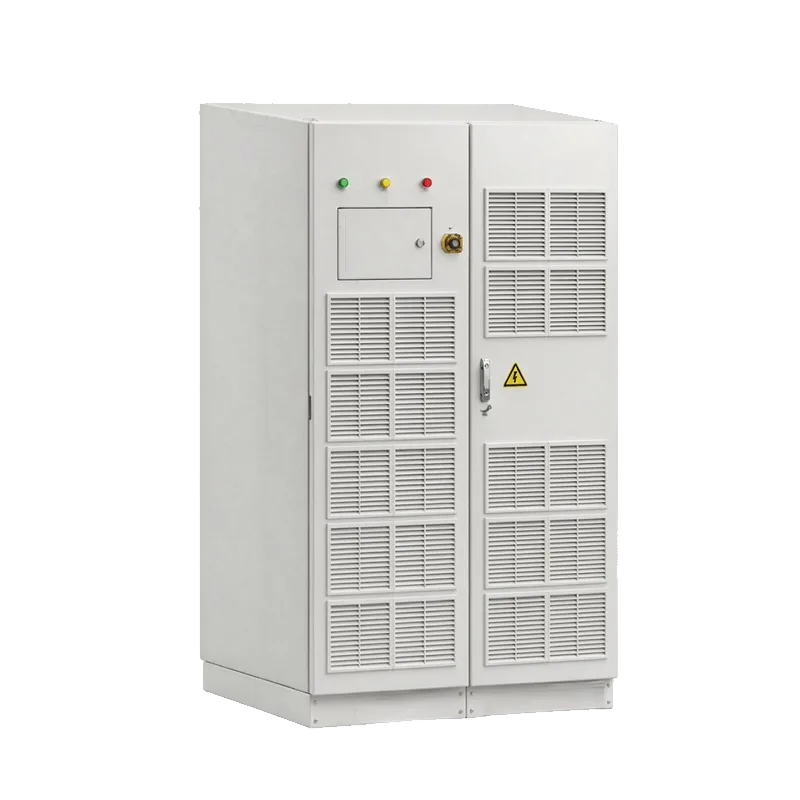
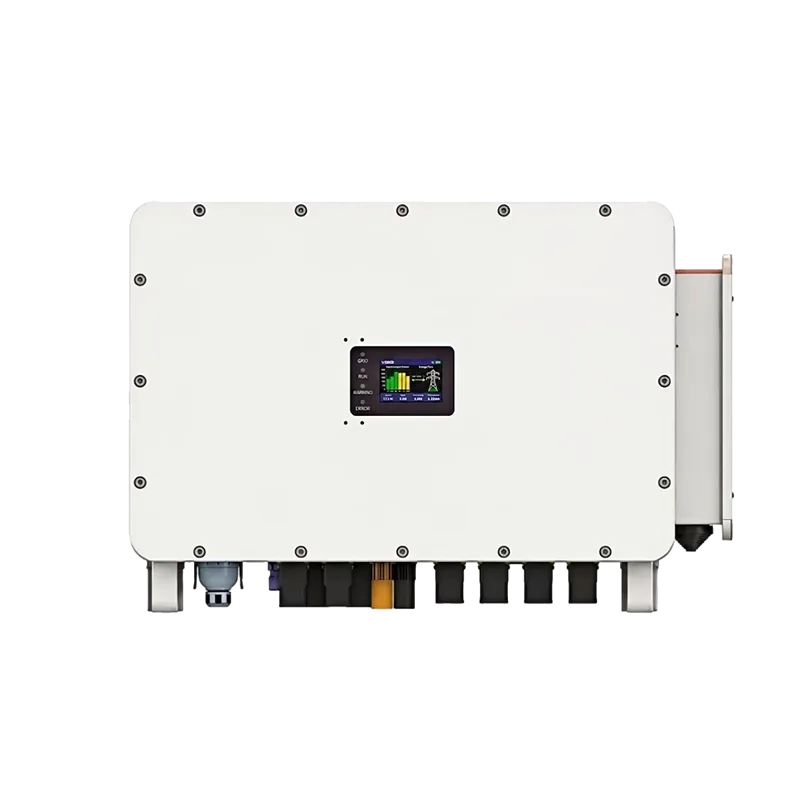
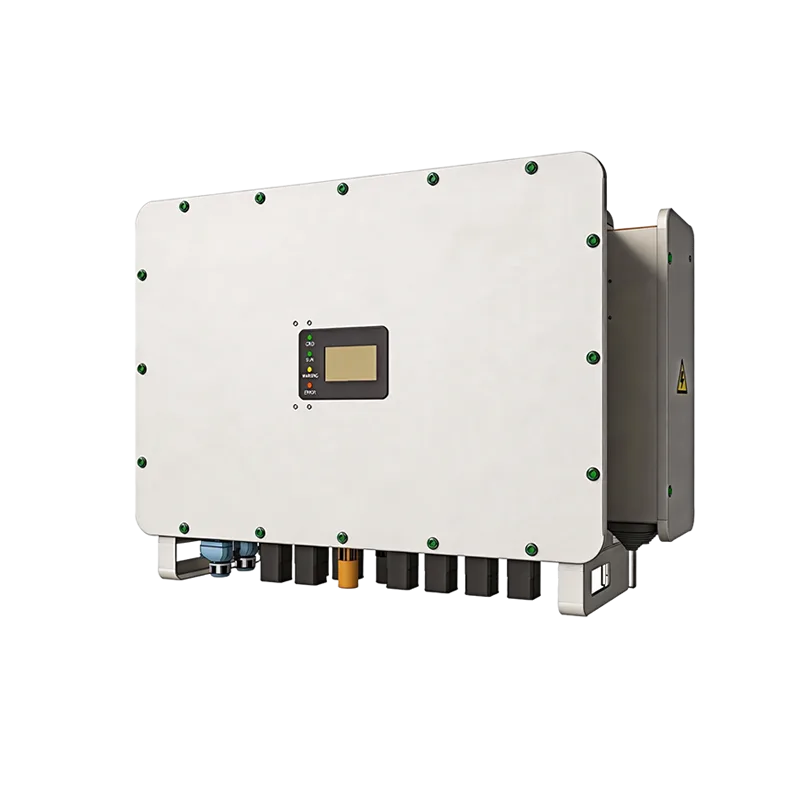
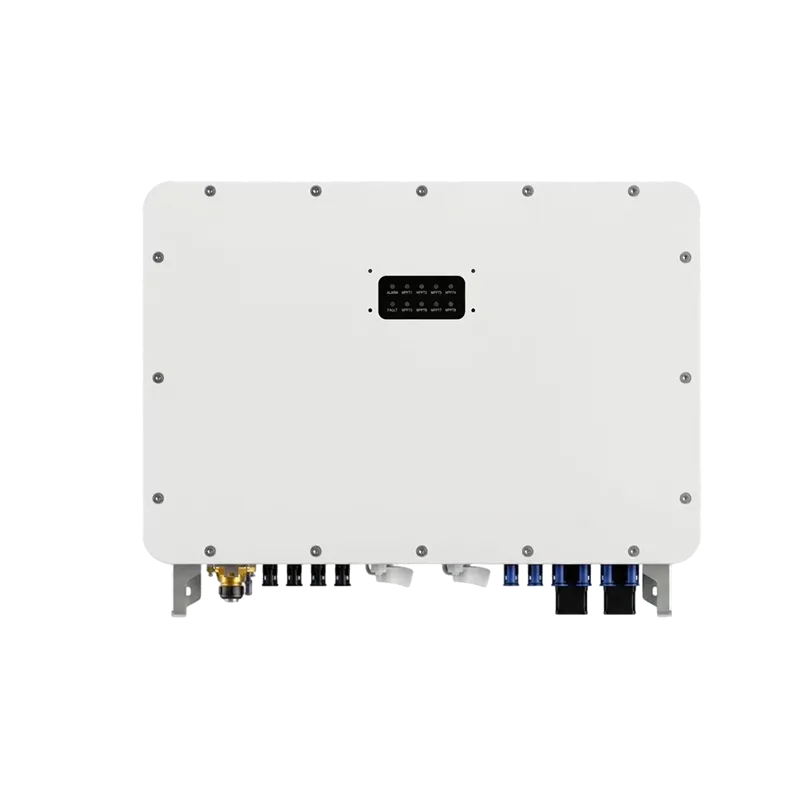
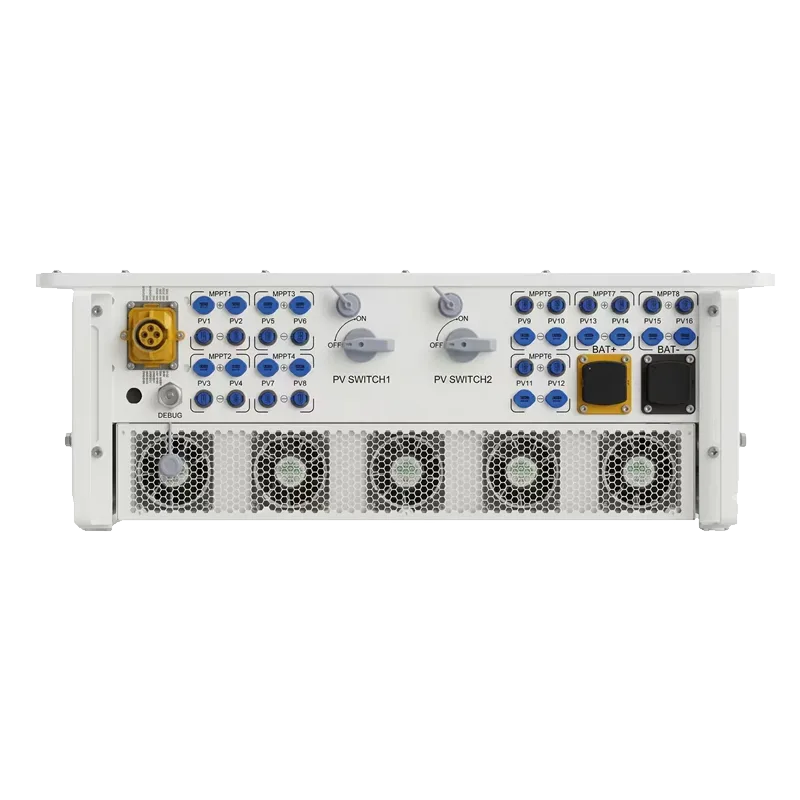
The VGRID POWER units relevant to this topic are listed below. Each product page carries the datasheet, the certification scope and the supported on/off-grid operating modes: LEONA-B750K(SP750H54PSTD)、SP125HSPS、SP60HCPS。
Implementation and acceptance checks
A practical demand charge management workflow has four gates: freeze the single-line diagram, neutral earthing and the EMS point-table version; verify nameplate, firmware and protection settings at the factory acceptance test; confirm the on/off-grid transfer sequence with event logs and waveform captures during commissioning; and record frequency deviation, recovery time and temperature rise under step-load tests before sign-off. Keep every revision under change control.
Frequently asked questions
What should be checked first for demand charge management?
Start with the load profile, the grid short-circuit ratio and the required autonomy. These three inputs determine the converter rating, the grid-forming strategy and the battery size; changing any of them later invalidates the rest of the design.
Which VGRID POWER equipment applies to demand charge management?
The LEONA-B750K(SP750H54PSTD) / SP125HSPS / SP60HCPS family covers this application. Each product page lists the datasheet, the certification scope, the supported on/off-grid modes and the available parallel configuration, so the model can be matched to the project without guessing.
How is demand charge management verified during commissioning?
Use event logs and waveform captures during a real on/off-grid transfer, apply step loads while recording frequency deviation and recovery time, and archive the point-table and firmware versions together with the acceptance report.
Related products and guides
Further reading and product entry points: LEONA-B750K(SP750H54PSTD)、SP125HSPS、SP60HCPS · all technical guides · product categories.
FAQ
What should be checked first for demand charge management?
Start with the load profile, the grid short-circuit ratio and the required autonomy. These three inputs determine the converter rating, the grid-forming strategy and the battery size; changing any of them later invalidates the rest of the design.
Which VGRID POWER equipment applies to demand charge management?
The LEONA-B750K(SP750H54PSTD) / SP125HSPS / SP60HCPS family covers this application. Each product page lists the datasheet, the certification scope, the supported on/off-grid modes and the available parallel configuration, so the model can be matched to the project without guessing.
How is demand charge management verified during commissioning?
Use event logs and waveform captures during a real on/off-grid transfer, apply step loads while recording frequency deviation and recovery time, and archive the point-table and firmware versions together with the acceptance report.