
Choosing a built-in isolation transformer: Znyn0, neutral and critical-load supply
Summary: The LEONA-B750K carries a Znyn0 isolation transformer, the LEONA-B375K single-line diagram places a 400 kVA transformer TR between the AC bus and the STS, while the LEONA-H135K uses a lightweight wall-mount design without one. Isolation is not only about noise: it decides whether the neutral is independent, whether poor site earthing is tolerable, and which bus section feeds critical loads during transfer.
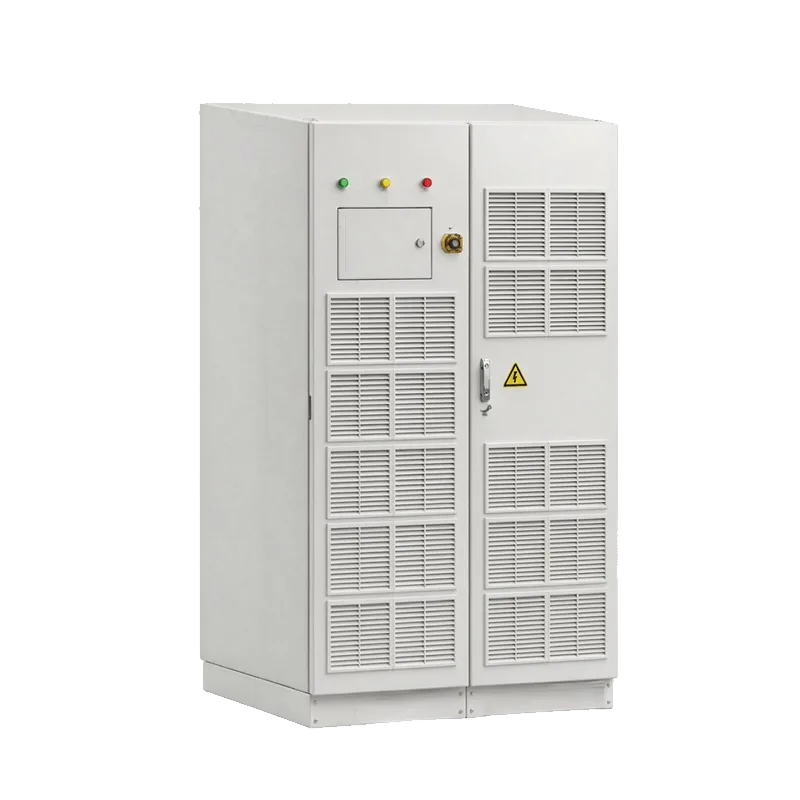
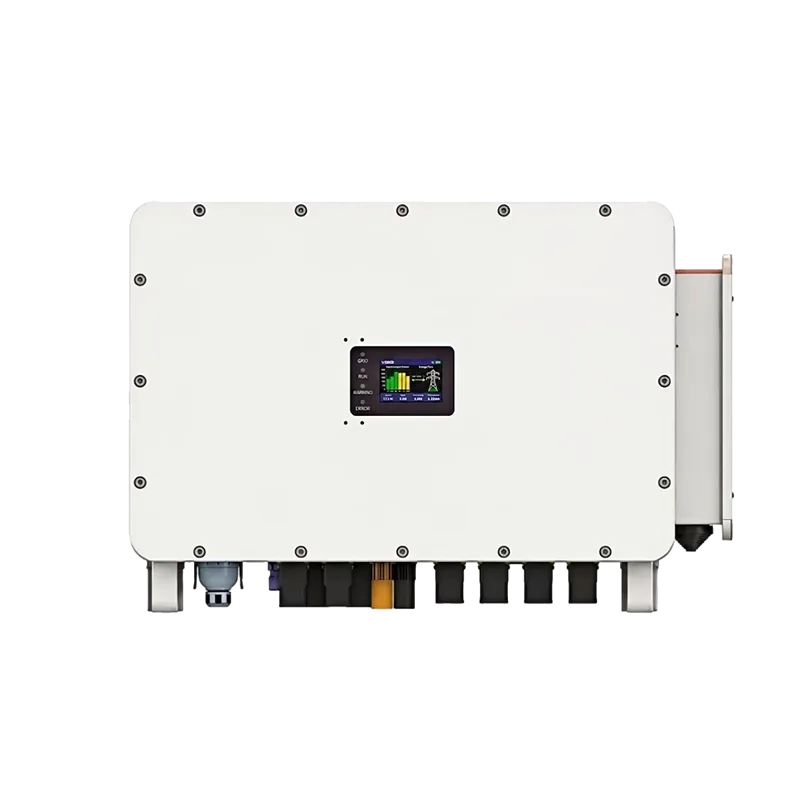
The LEONA-B750K carries a Znyn0 isolation transformer, the LEONA-B375K single-line diagram places a 400 kVA transformer TR between the AC bus and the STS, while the LEONA-H135K uses a lightweight wall-mount design without one. Isolation is not only about noise: it decides whether the neutral is independent, whether poor site earthing is tolerable, and which bus section feeds critical loads during transfer.
What differs between the three topologies
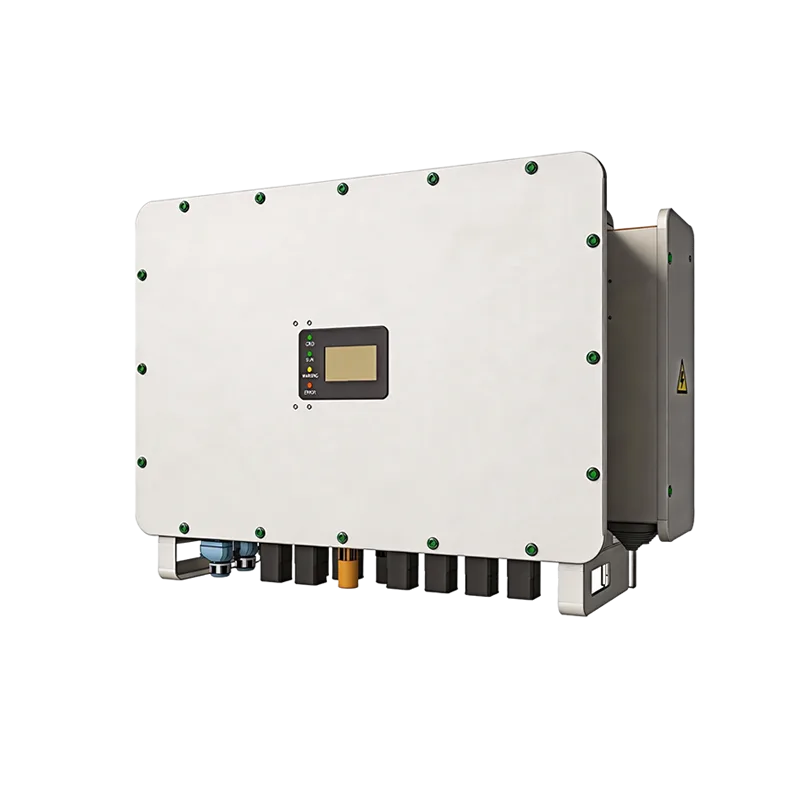
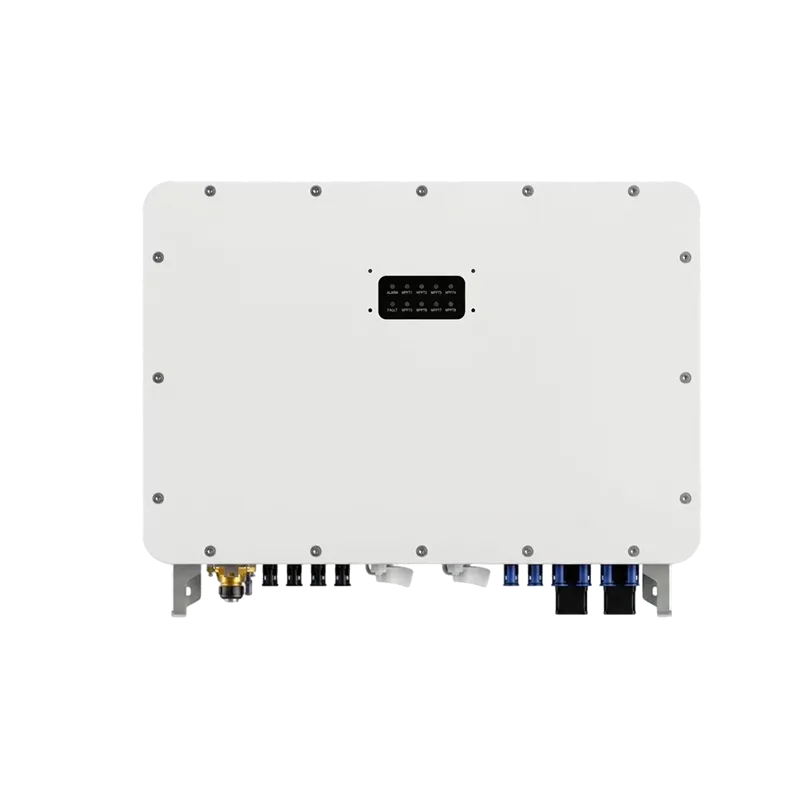
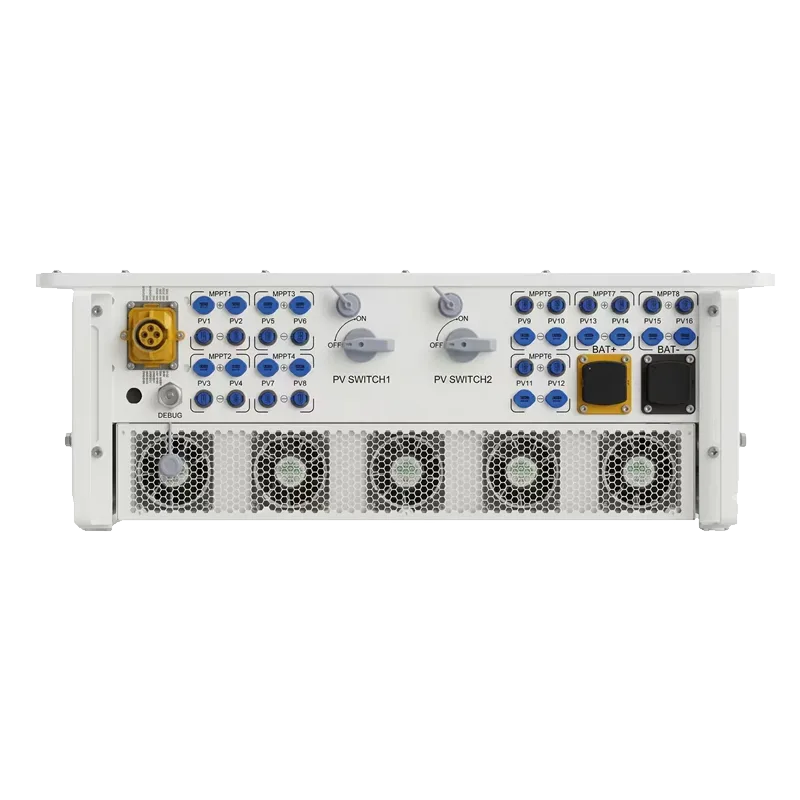
The B750K datasheet specifies a Znyn0 transformer, IP54 enclosure, roughly 2700 kg and 97.8% peak efficiency. The B375K diagram puts a 400 kVA TR between the converter AC bus and the STS, with the QF1 critical-load breaker on the TR-to-STS section. The H135K is IP65, roughly 85 kg, 98.1% efficient and has no built-in transformer. Decide first whether an independent neutral and earthing tolerance are required; only then compare efficiency and weight.
Neutral and unbalanced loads
Both the B750K and H135K publish 100% phase unbalance, 400/230 V nominal, a grid voltage window of -20% to +15%, 50 Hz (47-52 Hz) or 60 Hz (57-62 Hz), and current THD below 3% above 30% load. The Znyn0 winding provides a stable neutral in island mode, which suits retrofit sites with a high share of single-phase loads, ageing neutrals or high earth resistance. The RTU protocol even defines N-line anomaly and N-line overcurrent fault bits, confirming that the neutral path needs explicit commissioning checks.
Cost and alternatives
An isolation transformer adds copper and iron losses, volume and lifting cost: the B750K is about 0.3 percentage points less efficient and some 2600 kg heavier than the H135K. Where earthing is already compliant, loads are balanced and rapid deployment matters, the H135K with external distribution is a sound choice. Where critical loads need online-UPS behaviour, the H135K brochure also documents an online-UPS microgrid scheme and AC/DC charger integration, which should be verified against the STS/ATS topology separately.
Frequently asked questions
Does an isolation transformer remove the need for proper earthing?
No. It reduces failures and hardware damage caused by poor earthing, but the PE bar, surge protection and equipotential bonding still have to be installed and accepted against the drawing.
Is a 0.3 point efficiency gap material?
At 750 kVA continuous duty it produces measurable losses and heat load, but it remains secondary to earthing safety and critical-load continuity. Decide according to project risk appetite.
Related equipment and guides
SP750H54PSTD · SP135HAPSS · SP125HCPS · SP200/150HAPV · All technical guides · Product catalogue。
FAQ
Does an isolation transformer remove the need for proper earthing?
No. It reduces failures and hardware damage caused by poor earthing, but the PE bar, surge protection and equipotential bonding still have to be installed and accepted against the drawing.
Is a 0.3 point efficiency gap material?
At 750 kVA continuous duty it produces measurable losses and heat load, but it remains secondary to earthing safety and critical-load continuity. Decide according to project risk appetite.